Vacuum technology works behind many processes that people rarely see. It supports semiconductor production, laboratory analysis, food packaging, pharmaceutical manufacturing, and industrial coating. In these settings, reliable vacuum equipment helps control pressure, protect product quality, and keep production consistent. A pump may sit out of sight, yet its performance can affect an entire production line.
This guide introduces ten vacuum equipment manufacturers with a global presence. It considers practical factors such as product range, engineering experience, service availability, energy use, and suitability for different operating conditions. These factors matter because a system designed for a clean laboratory may not withstand dust, heat, or continuous industrial use. No list is perfect. Company capabilities also change, and public information may not show every local service limitation.
The manufacturers featured here serve different needs, from compact pumps for precise applications to larger systems built for demanding facilities. Readers should compare specifications carefully, including achievable pressure, flow rate, materials, noise, maintenance intervals, and compatibility with existing equipment. A supplier’s reputation is useful, but it cannot replace application-specific evaluation. Ask for technical documentation and confirm that proposed performance matches real operating conditions.
Choosing a manufacturer is rarely a simple matter of selecting the largest name. Total ownership cost, spare-parts access, support response, and operator training can shape results over many years. The following overview offers a starting point for that comparison, not a universal verdict. Some details deserve a closer look.
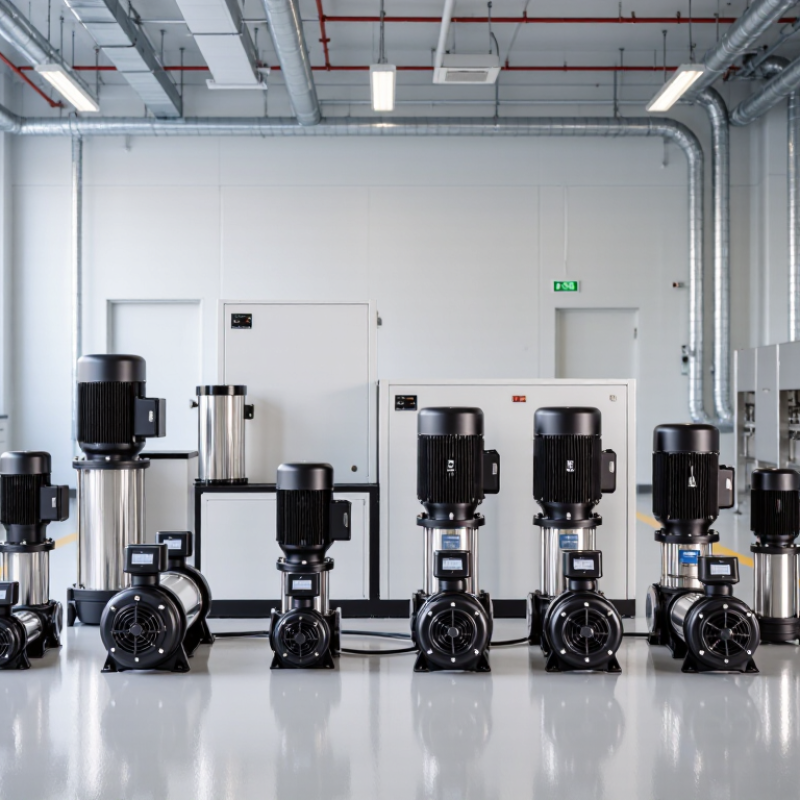
Vacuum equipment manufacturers build systems that remove air and other gases from enclosed spaces. Their products range from compact laboratory pumps to large industrial vacuum chambers, gauges, valves, filters, and control units. Each component has a job. A pressure gauge helps operators monitor conditions, while a properly sized pump maintains the vacuum level a process requires.
These systems support semiconductor production, food packaging, chemical processing, medical research, and materials testing. In a packaging plant, a vacuum unit can remove air from a pouch before sealing it. In a laboratory, a controlled vacuum may help dry samples or operate an instrument. Manufacturers often adapt equipment to the customer’s process, considering factors such as gas composition, operating temperature, cycle time, and maintenance access. A pump that suits one production line may not suit another.
Reliability depends on more than the pump itself. Engineers assess seals, piping, cooling needs, and controls as part of the complete installation. Routine checks can reveal worn seals or clogged filters before performance declines. Small details matter. Still, selecting equipment is not always straightforward; process data may be incomplete, and actual operating conditions can differ from initial estimates. Careful testing and clear service documentation help teams make informed adjustments over time.
A strong vacuum equipment manufacturer should be judged by more than pump speed or catalogue size. Start with the operating conditions: required pressure range, gas composition, duty cycle, and room temperature. Ask for performance data measured under conditions close to your process. Numbers without test details can look precise while offering little guidance.
Reliability shows up in practical details. Check whether components are accessible, seals are straightforward to replace, and maintenance instructions explain safe isolation and restart. Request service intervals, spare-parts lead times, and examples of troubleshooting support. Quiet operation matters too, especially when equipment runs beside workstations. Small details count.
Technical support is another useful measure of expertise. Can the team interpret pressure trends, explain compatibility limits, and help size a system without pushing unnecessary capacity? Review documentation for clear diagrams, stated assumptions, and realistic performance tolerances. Independent certifications and traceable test records can strengthen confidence, but they do not replace application-specific checks.
Compare lifecycle costs, not just purchase prices. Energy use, downtime, consumables, and installation requirements may change the total substantially. A simple scoring sheet helps, though it can hide trade-offs between efficiency and serviceability. That part is easy to miss. Visit an operating installation when possible, and speak with users handling similar loads. Their experience may reveal maintenance frustrations that polished specifications leave out.
A European manufacturer with roots in laboratory engineering builds rotary-vane pumps for routine industrial work. Its appeal is straightforward servicing. A Japanese producer focuses on turbomolecular pumps, where stable high-vacuum performance matters in research and coating systems. A German equipment maker supplies dry screw pumps for processes that benefit from oil-free operation. Maintenance still matters. A North American company pairs vacuum furnaces with controls designed for repeatable heat-treatment cycles.
An Italian manufacturer develops liquid-ring pumps for plants handling humid gas streams. A Swedish producer makes vacuum systems for packaging lines, where uptime can shape daily output. A South Korean supplier serves semiconductor production with compact, tightly controlled vacuum equipment. Small components matter. A Chinese manufacturer offers broad pump ranges for general manufacturing, though buyers should verify local support and parts availability. A French specialist designs leak-detection instruments that help technicians locate losses before production suffers.
A British manufacturer builds vacuum conveying systems for moving powders through enclosed lines. An Indian producer serves chemical and pharmaceutical plants with engineered vacuum packages, often tailored to site conditions. These profiles reflect different strengths, not a universal ranking. A pump’s brochure may look convincing, but noise, service access, and performance under real process loads deserve closer scrutiny. Past experience helps, yet it cannot replace a site-specific assessment.
An anonymized overview of ten common vacuum-equipment manufacturer profiles. The entries describe established equipment categories and applications; they are not rankings or specifications for individual companies.
| No. | Manufacturer profile | Typical equipment | Common applications | Relevant selection considerations |
|---|---|---|---|---|
| 1 | Industrial rotary-vane pump specialist | Oil-sealed rotary-vane pumps and compact vacuum packages | Packaging, laboratory systems, vacuum holding, and general industrial processes | Required pressure, pumping speed, oil management, duty cycle, and maintenance access |
| 2 | Dry screw pump specialist | Dry screw vacuum pumps and process-exhaust systems | Chemical processing, semiconductor processes, and applications where oil-free pumping is preferred | Gas composition, condensable vapors, particle loading, purge needs, and exhaust treatment |
| 3 | Claw pump specialist | Dry claw pumps, multistage units, and central vacuum systems | Pneumatic conveying, woodworking, packaging, and centralized plant vacuum | Airflow demand, operating hours, noise limits, filtration, and energy use |
| 4 | Liquid-ring pump specialist | Liquid-ring vacuum pumps, separators, and recirculation systems | Pulp and paper, evaporation, filtration, and handling of wet or saturated gases | Seal-liquid availability, temperature, corrosion, water use, and liquid-disposal requirements |
| 5 | Roots booster and pumping-system integrator | Roots-type mechanical boosters paired with backing pumps | Furnaces, vacuum drying, coating lines, and industrial evacuation systems | System pressure range, backing-pump match, gas load, controls, and thermal management |
| 6 | Diffusion-pump and high-vacuum system supplier | Diffusion pumps, baffles, traps, and high-vacuum chambers | Metallurgy, vacuum furnaces, coating equipment, and research installations | Oil backstreaming control, cooling capacity, chamber cleanliness, and backing-pump requirements |
| 7 | Turbomolecular pump specialist | Turbomolecular pumps, controllers, and compatible backing arrangements | Analytical instruments, surface science, research chambers, and semiconductor equipment | Gas throughput, inlet conditions, vibration limits, cooling, and backing-pump compatibility |
| 8 | Cryogenic vacuum equipment specialist | Cryopumps, cryogenic panels, and refrigeration-based vacuum systems | Semiconductor fabrication, space simulation, and high-vacuum research | Gas species, regeneration cycle, refrigeration infrastructure, and operating continuity |
| 9 | Vacuum furnace and heat-treatment system builder | Vacuum furnaces, hot zones, pumping packages, and process controls | Heat treatment, brazing, sintering, and materials processing | Work-zone dimensions, temperature uniformity, process gas, cooling, and applicable standards |
| 10 | Vacuum measurement and leak-detection supplier | Vacuum gauges, controllers, helium leak detectors, and calibration equipment | Equipment commissioning, semiconductor manufacturing, laboratories, and vacuum-system maintenance | Measurement range, gas sensitivity, calibration traceability, response time, and service support |
Vacuum equipment is not one-size-fits-all. The right system depends on pressure, gas composition, throughput, and the materials being processed. In food packaging, for example, a line may need fast, repeatable evacuation to protect products from oxidation. Oil-sealed pumps can suit some duties, while dry-running designs may reduce the risk of process contamination. The trade-off is not always obvious.
Semiconductor processes often require very clean, stable high-vacuum conditions. Turbomolecular pumps can reach these pressures, but they typically need a backing pump and careful control of heat and exhaust. By contrast, vacuum furnaces used for heat treatment must handle hot cycles, changing gas loads, and demanding chamber seals. Laboratory instruments may prioritize precise pressure control over high throughput. Different job, different system.
Small details matter. A corrosive vapor can shorten pump life; a poorly sized pipe can slow evacuation. Engineers should check operating pressure, duty cycle, maintenance access, and process gases before selecting equipment. Datasheets help, but actual operating conditions can be messier than a neat specification. A reasonable choice on paper may still need testing in the real process.
Choosing a vacuum equipment supplier starts with the process, not the catalogue. Define the required pressure range, gas load, operating hours, and tolerance for oil or particle contamination. A pump that performs well in a clean laboratory may struggle with solvent vapors or frequent production cycles. Ask suppliers for measured performance curves under conditions close to yours, not only ideal test results.
Market growth makes careful comparison more important. Grand View Research’s Vacuum Pumps Market Size report estimated the global market at about US$6.3 billion in 2023 and projected a 6.2% compound annual growth rate from 2024 to 2030. That figure describes demand, not product quality. Check materials compatibility, energy use, noise, maintenance intervals, spare-parts availability, and service response times. Request references from facilities with similar duty cycles. Small details matter. A filter that is difficult to reach can turn routine maintenance into lost production time.
Compare total cost over the equipment’s expected service life, including installation, utilities, consumables, and repairs. Ask how performance is verified after delivery and what data appears in the test report. Clear documentation supports troubleshooting later. If a supplier cannot explain a pressure reading or define its test conditions, pause. I would still leave room for doubt: published efficiency figures may not match a real plant, where leaks, heat, and uneven workloads change the picture.
Suggested evaluation weights for comparing suppliers of vacuum pumps and systems. These are practical planning weights, not results from a market survey; adjust them to match your application and purchasing priorities.