231-941-0215 sale@namkeenmachine.com 2707 Aero Park Drive Traverse City, MI
Eng
  • Eng
  • Deu
  • Fra

What Are the Top Types of High Vacuum Pumps?

Choosing a high vacuum pump is not simply a matter of selecting the lowest pressure rating. The real decision depends on gas composition, chamber volume, process speed, contamination limits, and maintenance expectations. A pump that performs well in a laboratory may struggle beside a coating line or electron microscope. This article introduces the main pump families and explains where each design earns its place.

John F. O’Hanlon, a respected vacuum-technology author, states, “The ultimate pressure depends on gas load and pumping speed.” That principle remains practical. Rotary-vane pumps can provide dependable rough vacuum and strong value. Dry screw pumps reduce oil contamination and suit cleaner production environments. Roots blowers increase throughput when paired with a backing pump. Turbomolecular pumps reach high vacuum efficiently, but they demand careful operation and clean conditions. Diffusion pumps remain powerful, although backstreaming and cooling requirements can complicate installation. Cryogenic and ion pumps offer specialized solutions for extremely clean or stable systems.

The choice is rarely obvious. Engineers must inspect the full system, not only the pump label. A small leak, wet chamber, or undersized foreline can erase impressive catalog performance. In practice, selection often involves compromise. Lower contamination may require higher capital cost. Faster pumping may increase vibration or operating complexity. Even experienced teams can misjudge the real gas load. Comparing pressure range, pumping speed, ultimate pressure, service life, and total ownership cost creates a more reliable path toward the right high vacuum pump.
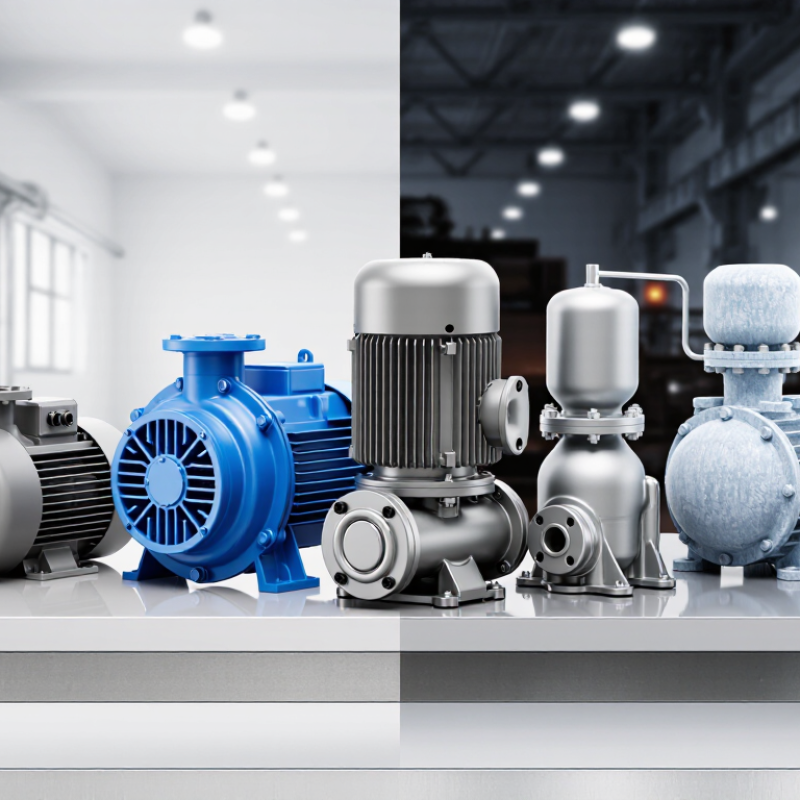
What Are the Top Types of High Vacuum Pumps?

High Vacuum Pump Basics and Performance Requirements

What Are the Top Types of High Vacuum Pumps?

High vacuum pump selection starts with the pressure range, not catalog labels. Turbomolecular pumps provide clean, rapid evacuation for many laboratory and industrial chambers. Diffusion pumps offer strong throughput, but they require careful oil management and a reliable backing pump. Cryogenic pumps capture gases on extremely cold surfaces. Ion and getter pumps support very low pressures after initial evacuation. Each type has limits.

High vacuum performance depends on more than ultimate pressure. Pumping speed must match the chamber volume, gas load, and process cycle. Effective speed also falls when valves, elbows, or narrow ports restrict conductance. A pump rated at 1,000 liters per second may deliver far less at the chamber. That difference matters.

Outgassing can dominate the result. Warm plastics, fingerprints, and trapped moisture may keep pressure unstable for hours. Clean metal surfaces, proper bakeout, and leak testing improve reliability. Pressure readings should be checked with suitable calibrated gauges, because one gauge cannot measure every vacuum range accurately.

In practice, I have found that operators sometimes chase a lower number before removing the real gas source. That approach wastes time. A stable base pressure, repeatable recovery, and controlled contamination level are often better performance requirements than a single impressive reading.

Turbomolecular Pumps for Clean, High-Speed Vacuum Generation

What Are the Top Types of High Vacuum Pumps?

Turbomolecular pumps are widely used when a clean, high-speed vacuum is essential. They remove gas by rapidly spinning angled rotor blades inside a closely fitted housing. Unlike oil-sealed pumps, they can maintain an oil-free chamber when paired with a suitable backing pump. This makes them valuable for semiconductor processing, surface analysis, leak testing, and research equipment. Other high vacuum options include diffusion, cryogenic, and ion pumps, but each suits different gases, pressures, and operating conditions.

A turbomolecular pump needs careful setup. The chamber should be clean, dry, and free from loose particles. Even a small fiber can create trouble at high rotor speeds. A pressure gauge, isolation valve, and automatic shutdown system improve operational safety. In practice, vibration is easy to underestimate. A rigid mounting surface and balanced connections can reduce noise and protect sensitive equipment. Performance also depends on the backing pump, since poor foreline pressure can limit compression and pumping speed. The specified operating range must be checked, not guessed.

Tips: Keep the inlet protected during installation. Use a staged pump-down procedure. Inspect seals before every major vacuum cycle. Bakeout may improve outgassing, but excessive heat can damage chamber components. I have found that stable results often come from simple habits, although this is not universal. Record base pressure, pump current, and run time. Those details reveal gradual contamination or mechanical wear before failure becomes obvious.

Diffusion Pumps for Reliable Ultra-High Vacuum Operation

What Are the Top Types of High Vacuum Pumps?

Diffusion pumps remain practical for reliable ultra-high vacuum operation. They use heated vapor jets to transfer gas toward the foreline. With suitable baffles and cooling, systems commonly reach approximately 10⁻⁷ to 10⁻¹⁰ mbar. Actual performance depends heavily on chamber cleanliness, leak rate, and vapor selection. ISO 21360-1:2020 provides standardized methods for measuring pumping speed, helping engineers compare published performance with test results. A 2024 vacuum pump market analysis estimates the global market exceeded 5 billion U.S. dollars in 2023, reflecting continued demand across coating, research, and semiconductor applications.

In daily operation, the details are less glamorous. The operator checks cooling-water flow, confirms adequate backing pressure, and watches for oil backstreaming. A cold trap or molecular baffle can protect sensitive surfaces. The chamber should also be baked when materials permit. Tiny contamination becomes significant at ultra-high vacuum. One missed elastomer or poorly cleaned flange can extend pumpdown for hours. That happens.

Diffusion pumps also tolerate high throughput and offer relatively simple construction. However, they require careful startup and shutdown procedures. Sudden venting can damage hot oil and contaminate the chamber. Published specifications often assume ideal conditions, which is an important limitation. In my experience, measured results may fall below laboratory figures because conductance losses and virtual leaks were underestimated. The U.S. Department of Energy’s vacuum-system guidance similarly emphasizes leak detection, maintenance, and correct system sizing as major efficiency factors.

Cryogenic Pumps for Rapid Vapor and Gas Capture

What Are the Top Types of High Vacuum Pumps?

Cryogenic Pumps for Rapid Vapor and Gas Capture

Among major high-vacuum pump types, cryogenic pumps stand out for rapid vapor and gas capture. They create vacuum by cooling internal surfaces until vapors condense or gases become trapped. This process is remarkably clean. There is no oil stream entering the chamber. In coating, research, and analytical systems, that cleanliness can protect sensitive surfaces and reduce background contamination. A chilled panel can capture a heavy vapor load quickly during chamber pump-down. Water vapor is often removed efficiently.

Performance depends on temperature, gas species, and available surface area. Not every gas freezes easily. Hydrogen, helium, and neon may require sorption materials or another pumping stage. That detail matters. Operators should track inlet pressure, cold-head temperature, and accumulated capacity instead of trusting one gauge. A practical inspection also checks thermal shields, seals, vibration, and unusual frost patterns. These small clues can reveal rising heat load or poor cooldown performance.

Regeneration cannot be treated as an afterthought. Controlled warm-up prevents a sudden release of captured vapor into connected equipment. The process may also extend downtime, especially after a large moisture load. Cold surfaces capture fast. Yet speed is not the whole design. I would question any specification that ignores gas composition, regeneration intervals, or the roughing pump. Real vacuum performance often changes after installation, when chamber walls, fixtures, and operating habits add unexpected gas loads.

Ion and Dry Pumps for Specialized High Vacuum Systems

Ion and dry pumps serve high vacuum systems where cleanliness, stability, and low contamination matter. Ion pumps trap gas through electrical fields and reactive cathode materials. They contain no moving parts. That distinction matters. Their quiet operation creates little vibration around sensitive detectors and coated surfaces. However, ion pumps usually need a mechanical pump to reach their starting pressure. They also perform differently with hydrogen, noble gases, and water vapor.

Dry pumps provide oil-free backing or roughing for the vacuum system. Diaphragm, scroll, and screw designs cover different pressure ranges and gas loads. In practical commissioning, technicians should check ultimate pressure, pumping speed, exhaust handling, and maintenance intervals. Keep the chamber clean. Fingerprints, moisture, and trapped solvent can extend pump-down time for hours. A dry pump may avoid oil backstreaming, but it does not eliminate outgassing from seals, plastics, or poorly prepared components.

Pump selection should follow the real process, not a catalog number. Ion pumps suit stable, clean environments after proper pre-evacuation. Dry pumps work well where process gases, frequent cycling, or strict cleanliness rules are involved. Small leaks matter. A helium leak test, pressure-rise test, and recorded base pressure can reveal problems before production begins. I have seen designs focus on nominal vacuum and overlook gas composition. That mistake is costly. Thermal load, bakeout temperature, magnetic fields, and chamber volume also influence reliable performance. The best system is sometimes less powerful, but easier to diagnose and maintain.