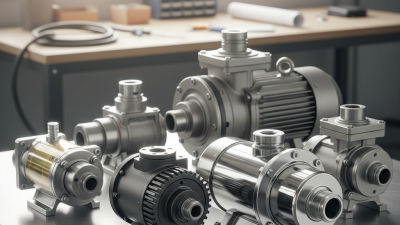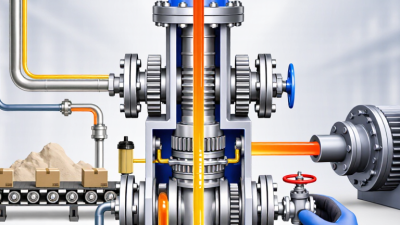
Oil pumps move crude oil, refined products, lubricants, and process fluids through demanding industrial systems. Their selection affects flow stability, energy use, maintenance costs, and operational safety. Yet the “best” pump depends on viscosity, pressure, temperature, contamination, and required flow rate. There is no universal winner.
Industry data shows why this choice matters. The International Energy Agency’s Oil 2024 report expects global oil demand to approach a plateau by 2030, increasing pressure on existing assets to operate efficiently. Meanwhile, the U.S. Department of Energy identifies pumping systems as major industrial energy users and emphasizes correct sizing, controls, and maintenance. Grand View Research also reports continued demand for oil and gas pumps, supported by pipeline, refinery, petrochemical, and production infrastructure. These findings place efficiency beside reliability.
The leading oil pumps include centrifugal, positive displacement, gear, screw, vane, piston, and progressing cavity designs. Each creates a different balance between pressure, flow control, fluid handling, and service life. Centrifugal pumps suit high-volume transfer, while gear and screw pumps handle viscous fluids more steadily. Piston pumps can deliver high pressure, but their pulsation and maintenance demands deserve attention. Small details matter, such as seal compatibility, inlet conditions, and abrasive particles.
The categories overlap.
A practical comparison should examine pump behavior, not only catalog ratings. Field experience often reveals weaknesses that laboratory figures hide. A pump may meet its stated capacity yet perform poorly with cold crude, gas entrainment, or frequent start-stop cycles. Therefore, this guide evaluates the top types of oil pumps through application fit, efficiency, durability, and maintenance realities, while acknowledging that published performance data still requires site-level verification.
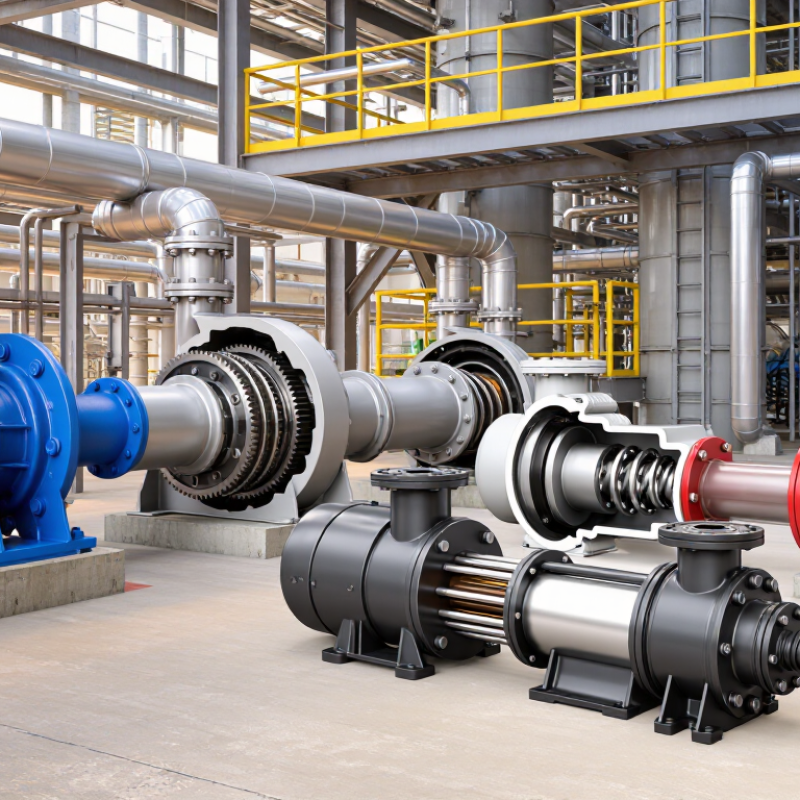
Oil pumps do more than move lubricant. They create steady flow and maintain pressure inside moving machinery. That pressure separates metal surfaces with a thin oil film, often less than a millimeter thick.
The main designs include gear, gerotor, vane, and piston pumps.
A gear pump uses meshing teeth to carry oil through the housing. It is simple, durable, and tolerant of rough service.
A gerotor pump uses an inner and outer rotor, producing smooth flow in a compact space.
Vane pumps adjust flow through sliding blades, but vane wear can increase leakage. Piston pumps deliver precise pressure, although their parts are more complex.
Small clearances matter.
Too much clearance allows oil to slip backward. Too little clearance may cause friction when oil becomes cold. Pump design must also match engine speed and oil viscosity. A pump that works well at high speed may deliver weak pressure during hot, slow idling.
A practical inspection should check the pickup tube, relief valve, gears, and housing surface. Even a clean pump can fail when the pickup screen becomes restricted. Cavitation may sound like a faint rattling noise, especially during cold starts. That warning is easy to miss.
No design wins everywhere. A specification sheet may show impressive flow, yet ignore heat, wear, or contamination. Reliable testing should measure pressure at different temperatures and speeds. Engineers sometimes refine the design after real-world testing, because laboratory conditions cannot reveal every imperfect detail.
Positive-displacement pumps are the main oil-pump category because they move a measured volume during each operating cycle. Gear, screw, vane, piston, and lobe designs serve different viscosity and pressure conditions. A gear pump can handle steady transfer through a warm pipeline, while a twin-screw pump often manages crude oil containing gas or changing viscosity. The choice depends on more than flow rate. Suction conditions, temperature, pressure, fluid cleanliness, and speed also matter.
The International Energy Agency reported global oil demand at about 103.2 million barrels per day in 2024. That scale increases pressure on reliable transfer equipment. In practice, positive-displacement pumps provide stable flow at low speed and during high-pressure operation. Their internal clearances, however, can suffer when abrasive particles enter the casing. A relief valve is essential because the pump can continue building pressure against a closed discharge line. It is a small detail with serious consequences.
API 676 covers rotary positive-displacement pumps, while API 674 addresses reciprocating designs. These standards support safer specification, testing, and installation decisions. Field inspection should include seal leakage, abnormal vibration, coupling alignment, and suction-side restrictions. Listen closely. A dry-running screw pump may sound acceptable for minutes, then fail expensively. One weakness remains: positive-displacement pumps are not automatically the best choice for every oil service. Engineers sometimes overvalue pressure capability and overlook pulsation, maintenance access, or excessive shear. A careful review of operating data usually prevents that mistake.
Gear pumps remain one of the most practical oil pump designs. Two meshing gears create sealed pockets that carry oil from the inlet to the outlet. The design has few moving parts, making it easy to inspect and repair. Technicians commonly check gear backlash, shaft seals, and pressure relief settings during routine service.
The U.S. Department of Energy’s Improving Pumping System Performance guide reports that pumping systems can consume 25% to 50% of industrial facility electricity. This figure explains why gear pump selection matters beyond the purchase price. The Hydraulic Institute’s Pump Life Cycle Costs guidance also identifies energy, maintenance, and downtime as major ownership costs. A small efficiency loss can become expensive during continuous operation.
Gear pumps handle lubricating oils, fuel oils, and other viscous fluids effectively. They deliver steady flow, even at relatively low speeds. However, they are not perfect. Excessive pressure can accelerate gear and bearing wear. Cold oil may increase starting torque. Poor suction piping can cause cavitation, marked by a harsh rattling sound. Field experience suggests keeping the inlet line short, using clean filters, and confirming viscosity across real operating temperatures. Engineers should also verify the relief valve, because a blocked discharge line can damage the pump quickly. Selecting only by flow rate is a common mistake. Temperature, viscosity, pressure, seal material, and duty cycle deserve equal attention.
Oil pumps are not interchangeable. Their geometry controls flow stability, shear, noise, and maintenance demands. Selecting the wrong pump can therefore increase both energy use and process risk.
Energy Considerations The U.S. Department of Energy reports that pumping systems can consume 25% to 50% of industrial facility electricity.
Vane Pump Applications Vane pumps suit clean, low-to-medium viscosity oils requiring steady delivery.
Their compact design works well in lubrication circuits and mobile equipment. However, abrasive particles can damage vanes quickly. Filtration is essential. Pressure matters.
Lobe pumps handle viscous fluids gently, making them useful for additives, heated oils, and products containing soft solids. Their low-shear action protects fluid quality, but clearances must remain controlled. A small alignment error can create pulsation, leakage, or premature wear.
The Hydraulic Institute’s pump guidance emphasizes operating within the manufacturer’s rated flow and pressure range, rather than chasing maximum capacity.
Screw pumps provide smooth, nearly pulse-free flow at high viscosity and moderate-to-high pressure. They are often selected for fuel transfer, oil circulation, and process skids where vibration must stay low.
The International Energy Agency’s World Energy Outlook 2024 still identifies oil as a major industrial energy source through the coming decade, supporting continued demand for reliable transfer equipment.
Yet efficiency data can mislead. A pump tested with warm, clean oil may perform poorly with cold fluid, gas entrainment, or contamination. Field temperature, viscosity, suction conditions, and maintenance history deserve equal attention.
Choosing an oil pump starts with the fluid, not the pump name. Gear pumps suit steady flow and moderate pressure. Screw pumps handle lubricating oils smoothly, with low pulsation. Vane pumps offer adjustable performance but need cleaner oil. Piston pumps generate high pressure, although their pulsation can require damping.
Viscosity changes everything. A thick oil may overload a small motor during cold starts. A thin oil can increase internal leakage and reduce volumetric efficiency. The U.S. Department of Energy reports that optimized pumping systems can reduce energy use by 20% to 50%. That figure covers industrial pumping systems broadly, not oil pumps alone. Still, it shows why sizing matters. Check flow in litres per minute, pressure at operating temperature, and viscosity in cSt. API 676 provides guidance for rotary positive-displacement pumps, while API 674 covers reciprocating designs. These standards support safer specification work, but field conditions still deserve attention.
Tips: Ask for the oil’s viscosity at both start-up and normal temperature. Confirm the required flow after filters, valves, and pipe losses. A pressure gauge near the pump can reveal restriction or wear. Do not select by maximum pressure alone. It is an easy mistake. I would also test the pump with the actual oil when possible; laboratory data can miss cold-start behavior, seal friction, or unexpected contamination. A quiet pump is not always an efficient pump.