231-941-0215 sale@namkeenmachine.com 2707 Aero Park Drive Traverse City, MI
Eng
  • Eng
  • Deu
  • Fra

Why Choose a Septic Vacuum Pump for Global Buyers?

Across many regions, sanitation access is improving, yet the infrastructure gap remains substantial. The WHO and UNICEF Joint Monitoring Programme reported that 3.5 billion people lacked safely managed sanitation in 2022. Around 1.5 billion people still lacked even basic sanitation services. These figures explain why reliable emptying and transport equipment matters beyond municipal systems.

For global buyers, a septic vacuum pump can turn a difficult desludging job into a controlled operation. A properly selected pump moves sludge from septic tanks, pit latrines, and holding vessels with less manual contact. It also supports safer workflows when paired with sealed hoses, suitable tankers, and trained operators. The World Health Organization’s Guidelines on Sanitation and Health emphasizes safe containment, emptying, transport, and treatment. The pump is only one part of that chain.

Selection requires more than comparing vacuum pressure and price. Buyers should examine sludge density, hose length, duty cycle, corrosion exposure, vehicle compatibility, and local spare-part support. In coastal areas, salt air can attack fittings quickly. In dense settlements, compact equipment may matter more than maximum capacity. There is no universal specification. A pump that performs well in a dry climate may struggle with wet, fibrous sludge elsewhere. This guide compares operating principles, maintenance demands, energy choices, and supplier reliability. It also questions a common assumption: the cheapest unit is rarely the lowest-cost solution. That conclusion can change after one damaged seal, one delayed shipment, or one unavailable replacement valve.
Why Choose a Septic Vacuum Pump for Global Buyers?

What Is a Septic Vacuum Pump and How Does It Work?

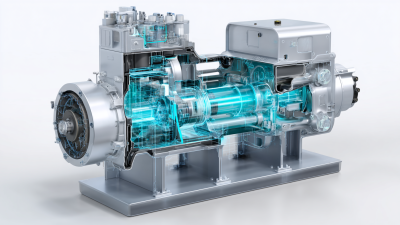
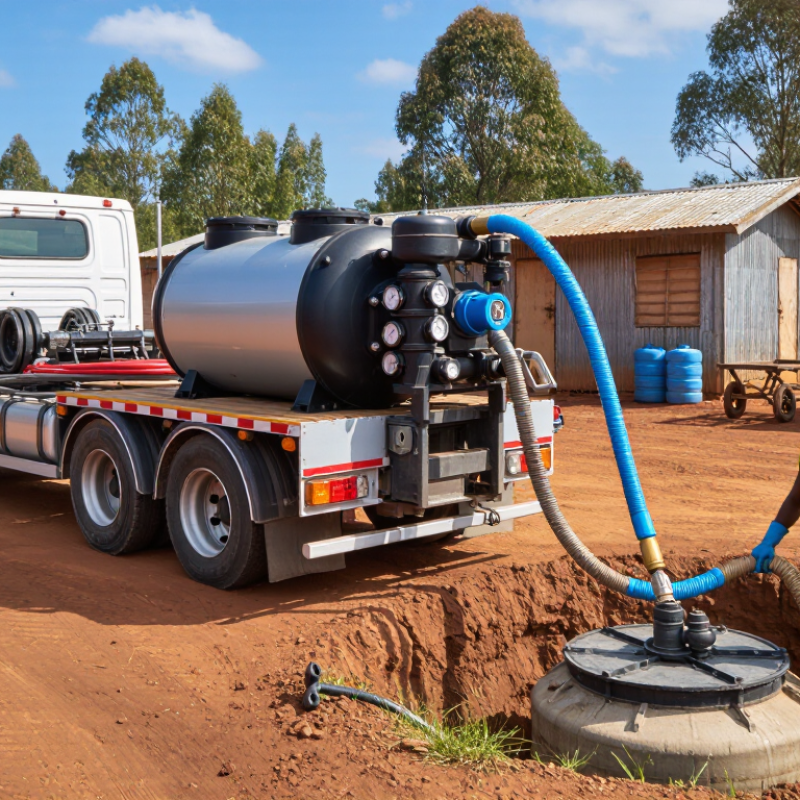
A septic vacuum pump removes wastewater and sludge by creating negative pressure inside a sealed tank. The pump first extracts air from the tank. Atmospheric pressure then pushes liquid and solids through the inlet hose. A separator helps prevent droplets and debris from entering the pump. Valves control flow, while filters protect internal components. The system stores collected material safely for approved treatment or disposal.

This process matters where gravity drainage is unreliable. The WHO/UNICEF Joint Monitoring Programme reported that 3.5 billion people lacked safely managed sanitation in 2022. The UN World Water Development Report 2017 also estimated that over 80% of global wastewater was discharged without treatment. These figures show why mobile collection equipment remains important in remote sites, dense communities, and temporary facilities. A vacuum pump can lift waste from below ground and transport it over practical distances. It is efficient, but not automatic. Poor hose selection, excessive solids, or weak tank seals can reduce suction quickly. That detail is easy to miss.

Tips: Check the vacuum rating, airflow, tank capacity, and solids-handling design before purchase. Match the pump to local climate and service conditions. Inspect hoses and filters regularly. A short maintenance record can reveal rising vacuum time before failure occurs. Some specifications look impressive on paper, yet field performance may differ. Ask for test data under realistic sludge conditions.

Key Benefits of Septic Vacuum Pumps for Global Buyers

For global buyers, septic vacuum pumps provide controlled, efficient waste removal. Their main advantage is reliable suction in difficult service conditions. This matters where tank access is narrow, labor is limited, or water supplies are expensive. The WHO/UNICEF Joint Monitoring Programme reported in 2023 that 3.5 billion people lacked safely managed sanitation in 2022. That gap makes dependable emptying equipment a practical infrastructure tool, not merely a maintenance upgrade.

A vacuum pump can move liquid and sludge through long hoses with less direct handling. Closed suction also reduces splashing during routine servicing. It may shorten collection cycles when the vehicle has suitable filtration, storage, and hose capacity. However, performance depends on solids concentration, lift height, hose length, and operator training. Bigger is not always better. An oversized unit can increase fuel use, noise, and maintenance pressure.

The U.S. Environmental Protection Agency reports that roughly one-quarter of U.S. homes use septic systems. Its decentralized wastewater guidance emphasizes inspection, scheduled pumping, and competent maintenance. Global buyers should therefore evaluate corrosion resistance, spare-part access, vacuum stability, and local technician skills. Field experience shows that simple controls often outperform complicated systems in remote areas. That is not universally true, but it deserves attention. No pump can correct poor scheduling, overloaded tanks, or unsafe waste storage. Clear operating limits should be part of every purchase decision.

How to Choose the Right Septic Vacuum Pump

Why Choose a Septic Vacuum Pump for Global Buyers?

How to Choose the Right Septic Vacuum Pump

Choosing a septic vacuum pump starts with the worksite, not the catalog. Check the required suction depth, hose length, waste density, and daily operating hours. A pump for thin liquid may struggle with sludge, grit, or small debris. Match the air-displacement rate and vacuum level to the tank size. Excessive capacity can waste fuel and increase maintenance. Too little power causes slow emptying and overheating.

Inspect the pump body, valves, seals, and internal coatings carefully. Corrosion-resistant materials are valuable when waste contains moisture and chemicals. Confirm that replacement parts are available in your region. Ask about motor efficiency, noise levels, fuel options, and service intervals. For road equipment, verify mounting space, weight limits, and connection sizes. Local electrical and transport requirements also deserve attention.

Tips: Request a performance sheet, not only a sales photograph. Compare rated airflow under realistic conditions. Check whether the pump handles intermittent or continuous duty. Review safety features, emergency shutoff access, and pressure protection. A field test is ideal, although it is often overlooked. I would also record actual loading time after installation; published figures can feel optimistic. Choose practical reliability over impressive specifications.

Important Performance and Safety Considerations

Why Choose a Septic Vacuum Pump for Global Buyers?

Important Performance and Safety Considerations

A septic vacuum pump must match the waste system, not just the tank size. Check airflow, maximum vacuum, duty cycle, and suction distance before purchase. A pump with strong vacuum but poor cooling may overheat during repeated service. In field use, flow often drops when hoses bend, fittings narrow, or solids collect near the inlet. Keep the design realistic.

Safety begins with controlled pressure. A reliable system should include a vacuum relief valve, pressure gauge, emergency shutoff, and secure hose couplings. Operators need gloves, eye protection, and clear procedures for cleaning blockages. Grounding is essential for electrically powered equipment. For vehicle-mounted units, inspect mounting bolts and PTO guards before every shift. Small failures can become serious quickly.

Global buyers should also examine voltage, motor protection, corrosion resistance, noise levels, and spare-part availability. Stainless or coated components may perform better in humid coastal regions, while cold climates require suitable seals and fluids. Ask for test data under working conditions, not only laboratory figures. Manufacturers may quote peak performance, which can mislead buyers. I have found that simple maintenance access often matters more than an impressive specification sheet. A drain valve placed too low, for example, can make routine servicing unnecessarily difficult. Training materials should use clear language and practical diagrams, especially when equipment crosses borders.

Why Choose a Septic Vacuum Pump for Global Buyers? - Important Performance and Safety Considerations
Performance or Safety Dimension Typical Commercial Range or Requirement Why It Matters for Septic Service Global Buyer Evaluation Checklist
Airflow Capacity Approximately 1,000–6,000 m³/h Higher airflow can shorten tank-emptying time, especially when handling long suction hoses or high-volume sludge. Match airflow to tank size, hose length, material viscosity, and the required service cycle. Do not compare airflow without checking the operating vacuum level.
Vacuum Level Common working range: about 60–90 kPa below atmospheric pressure Vacuum level determines the pump’s ability to lift liquid and semi-solid waste through vertical and horizontal pipe runs. Confirm the rated working vacuum, maximum vacuum, and whether the rating is continuous or intermittent. Verify performance at the intended altitude.
Pumping and Loading Time Often 10–30 minutes for a 5–10 m³ tank under suitable conditions Faster loading improves vehicle utilization and reduces labor time, but actual results depend on sludge density, hose routing, and tank access. Request a test condition that states tank volume, hose diameter, hose length, sludge consistency, and vacuum level.
Compatible Waste Characteristics Liquid and semi-solid sludge; solids capability varies by pump design Septic waste may contain rags, grit, sand, grease, and other debris that can cause blockages or wear. Check the maximum allowable particle size, inlet protection, filter arrangement, and whether the system is intended for untreated sewage or only liquid waste.
Pump Type Rotary lobe, sliding-vane, liquid-ring, or rotary screw designs Each design offers a different balance of vacuum stability, solids tolerance, noise, maintenance needs, and energy consumption. Choose based on duty cycle and waste composition rather than maximum specification alone. Confirm spare-part availability in the destination market.
Drive Power Common truck-mounted systems: approximately 15–75 kW Power affects airflow, vacuum recovery, fuel use, and the ability to maintain performance under heavy loading. Verify engine or PTO compatibility, rated speed, torque requirements, electrical or hydraulic interfaces, and local power standards where applicable.
Tank Capacity Compatibility Typical septic vacuum tanks: approximately 3–20 m³ A pump should fill the tank efficiently without causing excessive pressure, foaming, or repeated filter blockage. Size the pump and tank as a complete system. Confirm the tank’s working volume, gross volume, center of gravity, and vehicle payload limits.
Suction Hose Diameter Common sizes: 75–150 mm internal diameter Larger hoses usually reduce friction loss and blockage risk, while smaller hoses may be easier to handle in restricted spaces. Check hose flexibility, abrasion resistance, coupling type, bending radius, and compatibility with local replacement hose sizes.
Filtration and Liquid Separation Primary shut-off protection plus secondary filtration or moisture separation Effective separation prevents liquid and solids from entering the vacuum pump, reducing corrosion, wear, and oil contamination. Look for an accessible filter, automatic overfill shut-off, drain arrangement, inspection points, and clear cleaning instructions.
Overfill Protection Float shut-off, ball valve, electronic sensor, or combined protection Overfilling can damage the pump and release contaminated material into the exhaust or surrounding work area. Prefer two-stage protection where practical. Confirm that the shut-off system works during abnormal operating conditions and is easy to test.
Pressure and Vacuum Relief Relief devices set according to the pump and tank manufacturer’s limits Relief valves protect the tank, hoses, and pump from excessive pressure or vacuum caused by blockages and incorrect valve operation. Require documented set points, tamper-resistant adjustment, regular inspection access, and protection against unauthorized bypassing.
Noise Exposure Many truck-mounted systems operate around 75–95 dB(A), depending on distance and enclosure Noise affects operator comfort, neighborhood acceptance, and compliance with occupational or local environmental requirements. Ask for a measurement method and distance. Consider acoustic covers, vibration isolation, remote controls, and hearing protection requirements.
Corrosion Resistance Coated carbon steel, stainless steel, or corrosion-resistant internal components Septic waste can contain moisture, salts, sulfides, and chemicals that accelerate corrosion of tanks, valves, and pump components. Review material specifications, internal coatings, drainability, protective anodes where applicable, and the recommended cleaning procedure.
Duty Cycle Intermittent, frequent intermittent, or continuous-duty rating Municipal, industrial, and contractor fleets may operate several cycles per day, creating different thermal and lubrication demands. Select a pump rated for the expected daily operating hours. Confirm allowable continuous vacuum time, cooling requirements, and restart frequency.
Energy and Fuel Efficiency Dependent on airflow, vacuum level, pump type, drive speed, and operating control Efficient operation lowers fuel or electricity costs and reduces heat generation and emissions during repeated service cycles. Compare energy consumption at the same airflow and vacuum level. Consider variable-speed control, automatic unloading, and proper PTO operating speed.
Maintenance Interval Inspection before each shift; lubrication and service intervals commonly range from 100–1,000 operating hours Regular maintenance helps identify contaminated oil, worn vanes or lobes, blocked filters, and leaking seals before a breakdown occurs. Obtain a maintenance schedule, lubricant specification, wear-part list, troubleshooting guide, and estimated service time for routine tasks.
Operator Safety Lockable controls, emergency stop, guarded moving parts, non-slip access, and clear warning labels Vacuum equipment combines rotating machinery, contaminated material, pressurized lines, and vehicle movement hazards. Check emergency shutdown access, valve interlocks, hose restraint, confined-space warnings, personal protective equipment guidance, and operator training materials.
Electrical and Control Compatibility Common vehicle electrical systems include 12 V or 24 V DC; industrial systems may use local AC standards Incorrect voltage, frequency, or control wiring can cause unreliable operation or equipment damage. Confirm voltage, frequency, ingress protection, connector type, control-panel language, electromagnetic compatibility, and local electrical certification needs.
Transport and Installation Installation must remain within vehicle axle, payload, dimensional, and center-of-gravity limits A correctly sized pump can still create safety and legal problems if the complete vehicle exceeds road or axle limits. Review mounting drawings, shaft alignment, vibration loads, inlet and outlet orientation, lifting points, transport packaging, and customs documentation.
Compliance Documentation Technical file, risk assessment, operating manual, maintenance instructions, and applicable conformity documents Documentation supports safe commissioning, operator training, insurance, inspection, and import compliance. Request manuals in the destination language where required, test records, material information, drawings, spare-part references, and warranty conditions.
Important: Performance values are typical industry planning ranges, not universal guarantees. Final selection should be based on a complete system assessment covering waste composition, suction distance, elevation, tank design, vehicle limitations, local regulations, and the pump manufacturer’s verified test data.

Maintenance, Transport, and International Purchasing Factors

Why Choose a Septic Vacuum Pump for Global Buyers?

Maintenance and transport often decide whether a septic vacuum pump pays for itself. The WHO/UNICEF Joint Monitoring Programme reported in 2023 that 3.5 billion people lacked safely managed sanitation in 2022. That gap creates continuing demand for reliable collection equipment. A vacuum pump with accessible seals, clear lubrication points, and replaceable wear parts can reduce workshop delays. Field technicians also value stable suction during long hose runs and thick sludge. A larger pump is not automatically better. Excess capacity may increase fuel use, noise, and maintenance stress.

International purchasing adds practical complications. Buyers should confirm flow rate, vacuum pressure, shaft speed, mounting position, and vehicle compatibility. The US EPA’s SepticSmart guidance recommends regular inspections and pumping, but local soil, climate, and usage can change service intervals. Transport deserves equal attention. Check crate dimensions, lifting points, corrosion protection, spare-part packaging, and documentation before payment. Export paperwork is not glamorous. It can still stop a shipment.

Tips: Request a service manual, parts list, test record, and video of the pump running. Ask whether seals tolerate the intended waste temperature and chemicals. Compare total ownership cost, not only the purchase price. The Global Water Intelligence market studies show rising investment in water and wastewater infrastructure, yet published forecasts can differ widely. Treat forecasts as signals, not promises. A careful buyer should verify every specification with the installer and local transport adviser.

Why Choose a Septic Vacuum Pump for Global Buyers?

Indicative buyer-planning scores for a standard septic vacuum pump, based on maintenance practicality, transport requirements, and international purchasing considerations. Scores use a 1–5 scale, where 5 represents a stronger purchasing advantage.

A vacuum pump can support global buyers through accessible routine servicing, compact shipment planning, robust continuous-duty performance, and relatively straightforward spare-parts management. Exact results depend on pump configuration, vehicle design, operating conditions, destination regulations, and supplier documentation.